
Exploring the psychological triggers that drive gambling behavior
The Allure of Uncertainty
One of the primary psychological triggers driving gambling behavior is the allure of uncertainty. Gamblers are often drawn to the unpredictable nature of games, which can create a sense of excitement and anticipation. This uncertainty elicits a release of dopamine, a neurotransmitter associated with pleasure and reward, making the experience feel exhilarating. As individuals place their bets, they experience a rush of adrenaline, which can become addictive over time, leading to repeated engagement in gambling activities. If you’re interested in exploring the rules further, you can discover more about effective strategies and best practices.
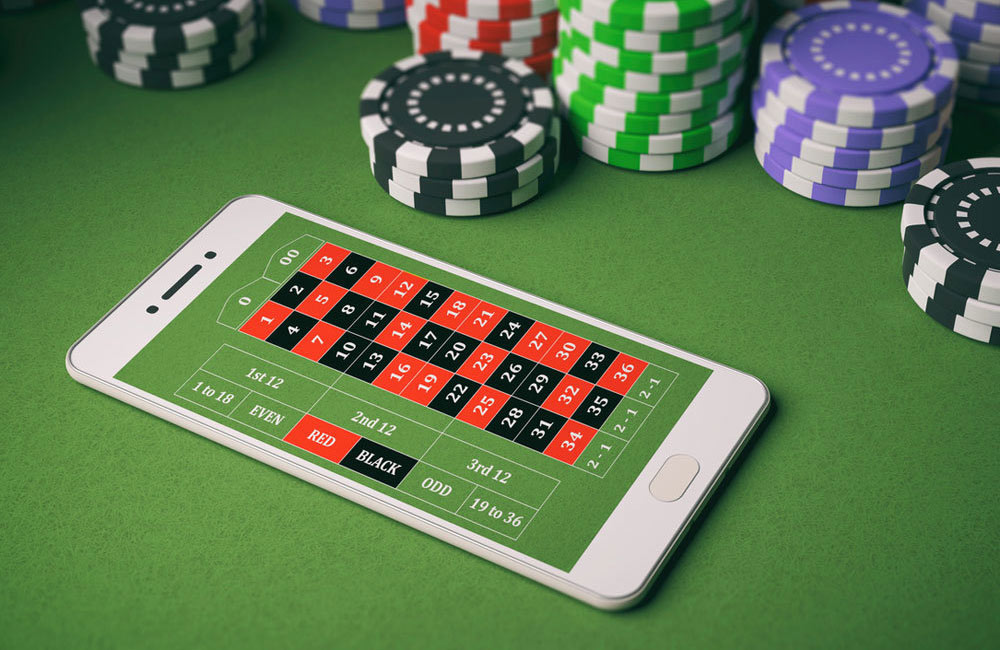
The thrill of not knowing the outcome can be enticing, as it offers an escape from everyday life. For many, the chance of winning against the odds can trigger a powerful emotional response. This emotional rollercoaster can compel individuals to continue gambling, often despite previous losses, as they chase the high associated with potential wins.
The Role of Social Influence
Social factors significantly contribute to gambling behavior. Many individuals are influenced by the presence of friends or peers who gamble, reinforcing the notion that gambling is a socially acceptable activity. This social validation can lower personal inhibitions, encouraging individuals to participate even if they typically would not. The communal aspect of gambling, especially in environments like casinos, can enhance the excitement and lead to a more impulsive approach to betting.
The Influence of Cognitive Biases
Cognitive biases also play a critical role in gambling behavior. Many gamblers exhibit a phenomenon known as the “gambler’s fallacy,” where they believe that past outcomes can influence future results. For example, a person might assume that a game of chance is “due” for a win after a series of losses, leading them to increase their bets. This flawed thinking can result in significant financial losses, as individuals chase their perceived inevitable win.
Addiction and Mental Health Considerations
The intersection of gambling and mental health is complex. For some individuals, gambling becomes a coping mechanism for dealing with stress, anxiety, or depression. This reliance can lead to a dangerous cycle where gambling provides temporary relief but ultimately exacerbates underlying issues. As individuals seek solace in gambling, they may neglect other aspects of their lives, leading to deteriorating mental health and strained relationships.

Enhancing Your Gaming Experience with Responsible Practices
At our platform, we prioritize safe gaming practices and responsible gambling. We believe that understanding the psychological triggers that drive gambling behavior is vital for fostering a healthy gaming environment. By providing access to educational resources and effective strategies, we aim to empower players to make informed decisions.
“`